Luke Macgregor Archive  //  Portfolio // London Based                
                    Work In Progress


Email
Instagram


Bio


Designer, Videographer, and Researcher

I’m a multidisciplinary designer and videographer working across inclusive editorial design, photography, and moving image. My practice brings together research, personal insight, and visual storytelling to explore complex subjects—often through the lens of neurodiversity.

With a particular focus on ADHD and how it shapes both creative process and output, I design and direct work that is attentive to pacing, structure, and accessibility. Whether in print or on screen, I aim to create experiences that reduce cognitive overload while remaining emotionally engaging and visually considered.

My work is narrative-led. I use typography, photography, and film to guide attention, build atmosphere, and enhance meaning—structuring stories in ways that feel intuitive rather than overwhelming. I’m drawn to overlooked details: the rhythm of suburban environments, the textures of everyday life, and the quiet moments that often go unnoticed. These observations inform both my design decisions and my approach behind the camera.

Alongside editorial and publication design, videography plays a central role in my practice. I use moving image not just to document, but to express lived experience—particularly those that are often unseen or misunderstood. Through framing, pacing, sound, and restraint, my films aim to communicate emotional truth and reveal beauty in mundanity.

Across mediums, my work is grounded in a balance of concept and craft. I strive to create thoughtful, socially aware outcomes that feel immersive, reflective, and human—work that doesn’t just look good, but connects meaningfully with people.


‘a town’


04/2025


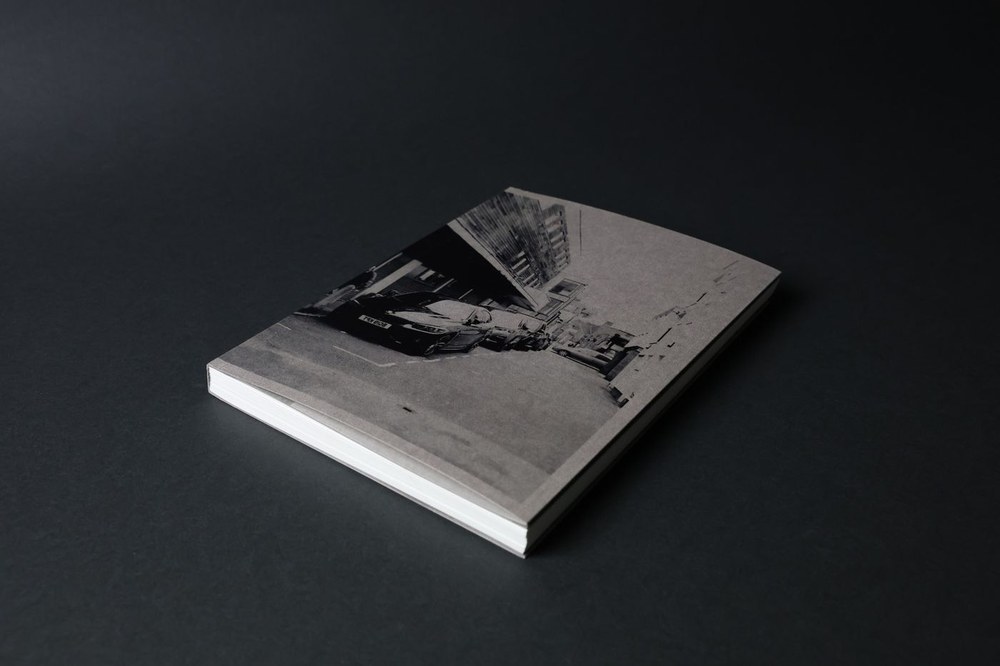
‘a town’ is a visual exploration of my once home town, focusing on the quiet, often overlooked details that shape its character.

Through repeated walks and familiar routes, I re-examined a place I thought I knew, using photography, sequencing, and editorial layout to capture its textures, signage, structures, and patterns.

Along the way, I noticed how much of the town’s identity felt like it was fading—through empty shops, worn-out signage, and changing architecture.

This project became an exercise in slowing down and rediscovering the everyday—uncovering subtle narratives woven into the routines and spaces of a town I used to call home.

166mm x 220mm


Lina Stores


01/2026


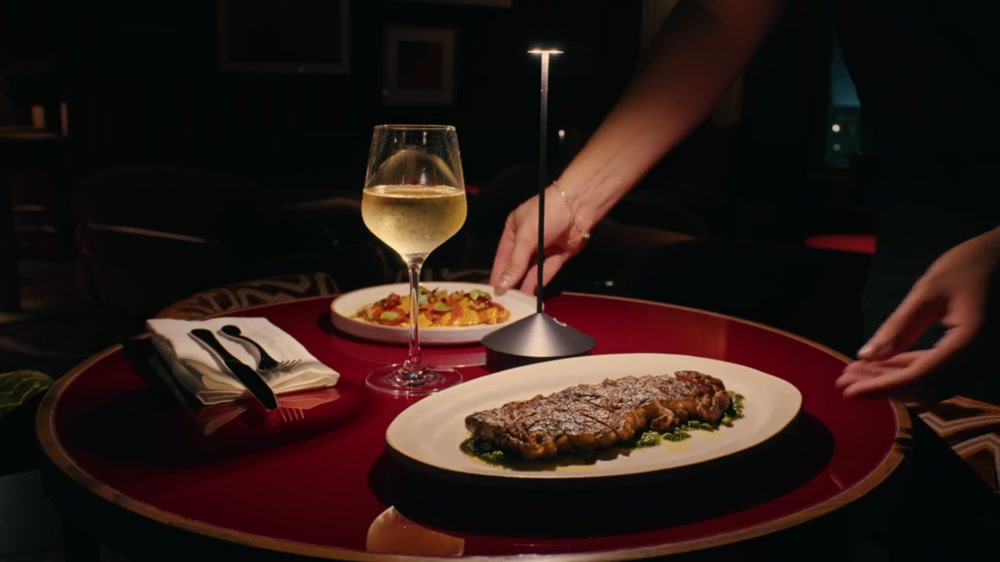
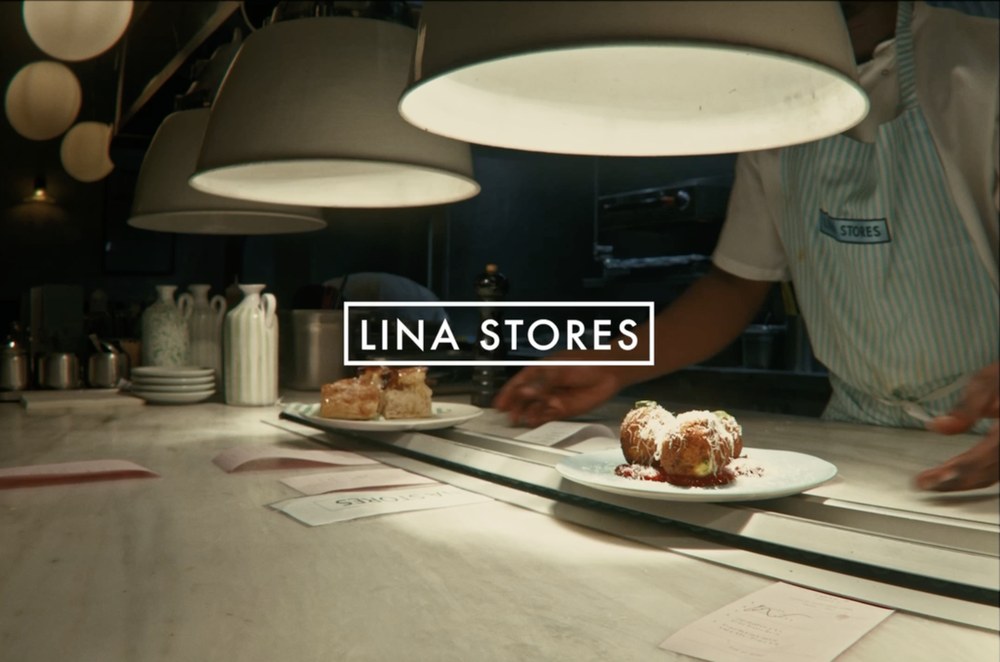
From the moment a ticket prints to the ring of the service bell, this is a fast-paced look inside the Lina Stores kitchen—where urgency and care move side by side.


Arc
Community


11/02/2026


Arc After Dark, One Year Birthday

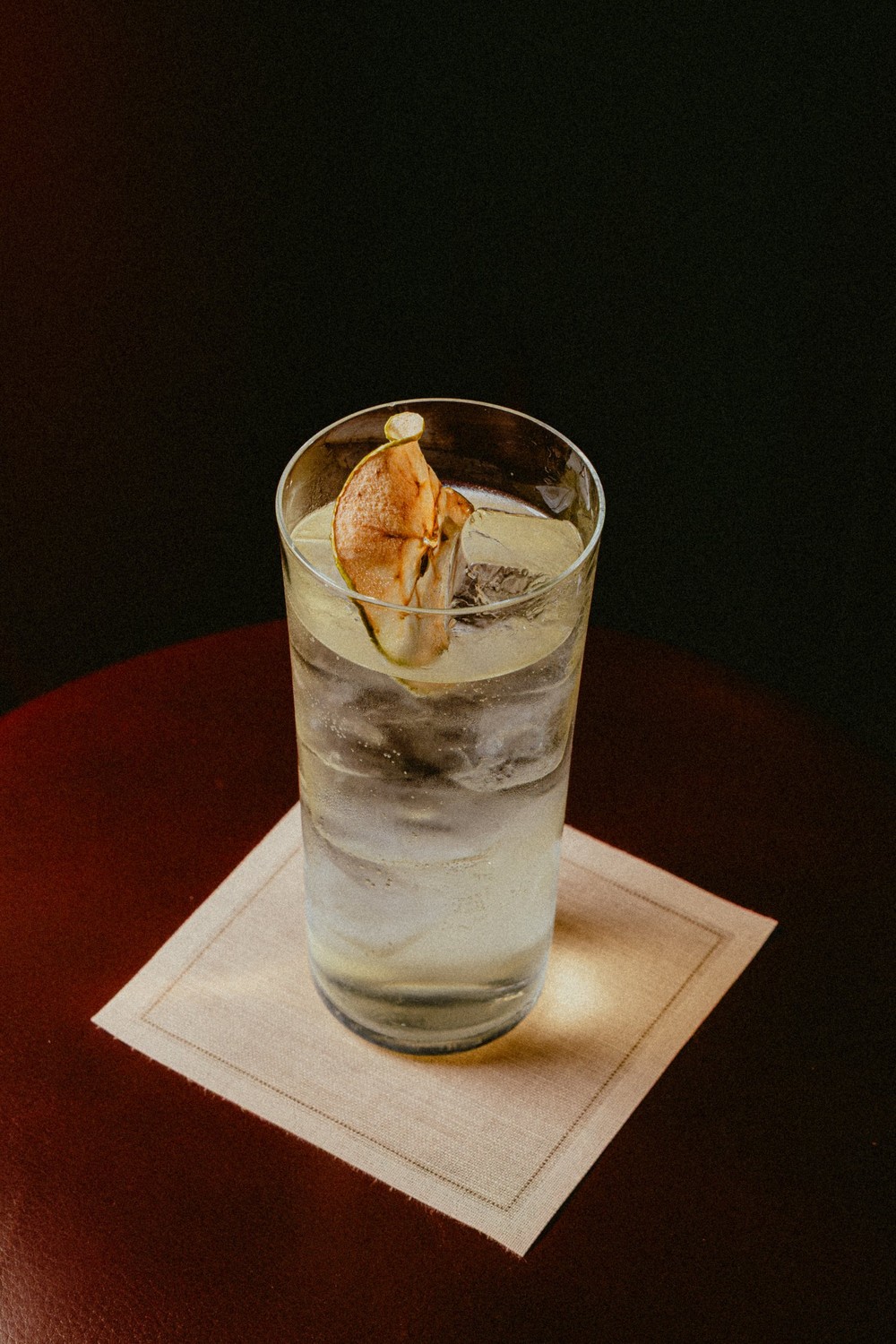
Contrast therapy isn’t just about hot vs cold it’s about presence, community and the kind of visceral, lived experience that stops you in your tracks. Loved diving into this one and bringing Arc’s celebration to life.

Divergent By Design
04/2025


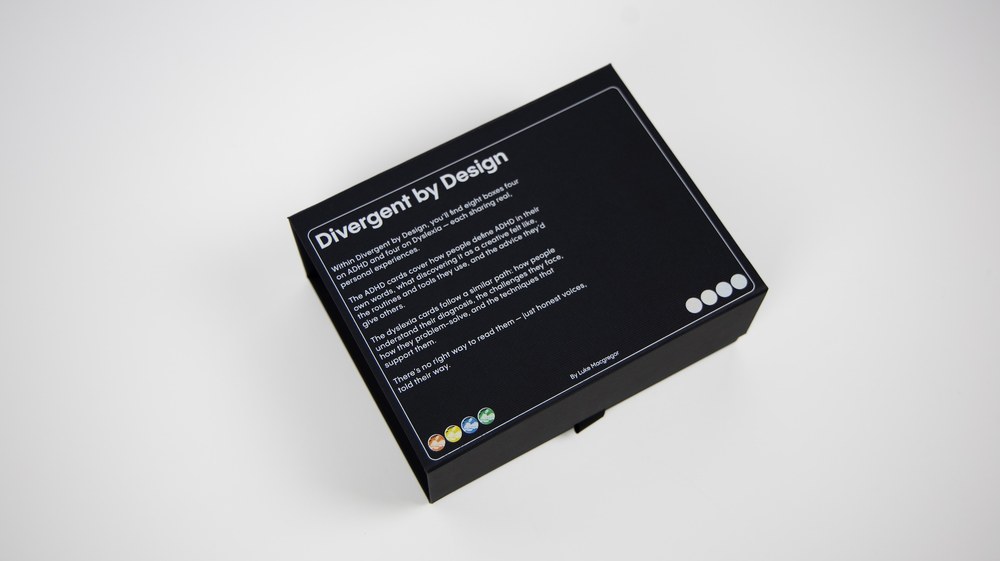
This project explores the lived experiences of people with ADHD and dyslexia through a tactile, accessible card pack designed to challenge the limits of traditional educational resources.

Inspired by the lack of authenticity in clinical sources like textbooks and NHS websites, the cards are rooted in real stories gathered from over 40 respondents.


Building on my earlier editorial work around ADHD, the focus shifted toward capturing the complexity and individuality of neurodivergence through lived experience, not textbook definitions.

The result is a visually engaging, easy-to-navigate format that encourages empathy, challenges stereotypes, and offers practical, relatable insight for both neurodivergent and neurotypical audiences.


By centring neurodivergent voices,
this project promotes inclusive communication and rethinks how invisible disabilities are
represented in design.


High ISO never hurt anyone


08/11/2025


Developing a new Powergrade...

Shoooting at night created a whole new perpective,i felt like channeling my inner Greg Fraser. 


Dissonance


03/2025


Visualising ADHD isn’t straightforward—it affects everyone differently, making a single visual definition impossible. This project uses photography, sound, colour, texture, mood, and typography to reflect how I personally experience ADHD.

Each element is informed by specific symptoms, with techniques adapted to represent the shifting nature of my mind.

For example, contrasting sound and texture will distinguish moments of overstimulation from calm. Still images will capture facial expressions or scenes that mirror my internal state, paired with personal voiceovers to retain a raw, honest tone.

The aim is to place the viewer inside my head—unfiltered, empathetic, and true to how it feels to live with ADHD.


Gear: Canon R6 MkII + Black Magic 6k

Filmed by Luke Macgregor and Carlos Romero


Two brothers,a 350z and a unplanned trip to Dover
05/2025


Stills----------------------------------------------------


Sometimes the best things are planned at breakfast.


Shot on Black Magic 6k

Graded on Davinci Resolve

Music: Koshun Nakao - We Still Share the Same Sky


Time Capsule

The Time Capsule Project tested my time management and creative stamina as I developed three distinct editorial outcomes under one brief. Building on my love for publication design—first sparked in Year One’s Telephone project—I used this opportunity to explore personal and conceptual themes through tactile, research-led work.

I pushed forward with the ambition to create three separate books, with tactile research in libraries and bookshops playing a key role—I design best when I can physically engage with materials.

While time constraints limited iteration, especially on covers, focused research shaped each piece. A highlight was the ADHD publication, a personal and collaborative outcome inspired by shared experiences. It was designed not just about a community, but for it. Despite the challenges, this project marked a turning point.

I learned to prioritise, make tough decisions, and produce work that feels both meaningful and true to the designer I’m becoming.


04/2024


4867


Camera Roll - A Modern Time Capsule


This project began with a simple observation: everyone around me was staring at a screen.

That led to a deeper question—what are we all capturing on our phones, and what do those photos say about us? I explored the camera roll as a digital time capsule, using my own archive of 4,867 images to reflect on the banality and beauty of everyday life. 

Each photo, tagged with time, date, and location, became part of a curated sequence that asks not just what we document, but why. 

Public opinions ranged from memory-keeping to performative habits, revealing how photo-taking reflects both societal norms and personal expression. 

The book’s layout, influenced by tactile research and works like Signs and Item 020, handles hundreds of images with clarity. 

Using every 10th photo, paired with energetic typography from Pangram Pangram, I created a stripped-back design that lets the images speak—turning a personal archive into a broader cultural commentary.


ft. Simeon Gay- Aka (RAFF)

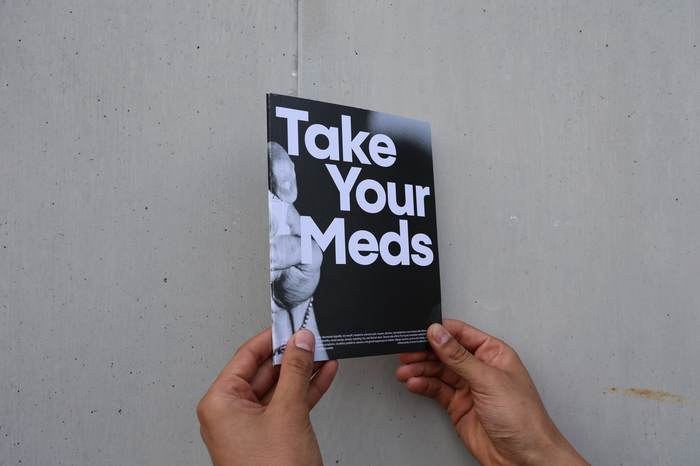
Take Your Meds
04/2024


I’ve lived with ADHD since I was 10.

This experience has shaped how I think, design, and navigate the world—but even now, at 22, I’m still met with stereotypes and misunderstandings.

People treat ADHD like it’s one-size-fits-all. It’s not.

This project is a reaction to that. 

I’m creating a book—part time capsule, part toolkit—that explores ADHD
through the real experiences of four individuals, including myself.
It won’t be dense with academic jargon or government-style leaflets.

Instead, it will feature raw interviews, visuals, and textures 
that capture the lived reality of ADHD: the sensitivities to sound, light, 
and touch, the guilt cycles, the forgotten tasks, the beauty and the burnout.

The structure is rooted in design. I initially drew inspiration from the 
visual format of my own medication pamphlet—Concerta 54mg—which sparked the idea of creating something functional yet personal.

But I quickly realised that reusing clinical formats stripped away the emotion.


The real insight came from participant quotes, like Millie’s:


“ADHD to me is a self-sabotaging cycle… I want to do the task,
but I always wait until it’s too late. Then I avoid it altogether.”


Her honesty reframed the project. Instead of trying to explain ADHD, 
I needed to show it—visually, emotionally, and truthfully.


Too often, ADHD is reduced to infographics, cartoons, or simplified 
lists of symptoms. These resources can be helpful, but they rarely reflect the internal chaos or nuance.

They make the research feel like a chore.

This book pushes back on that. It’s designed to be understood by people with ADHD—and appreciated by those without it.

Ultimately, this isn’t just apublication. It’s an act of clarity 
and care. 

A space where neurodivergent people can see themselves properly
represented — and where others can finally start to understand us.


Identity
04/2024


Questioning Identity


The idea for this book began with a simple curiosity: how do people define identity?

It’s too vast a topic to fully explore in one project, but by asking a small group of individuals, I could begin to form a picture. Identity often dictates how we live—from the clothes we wear to how we speak. This makes it deeply personal and unique to everyone involved.

As an editorial project, I used experimental typography as a core 
method to reflect each person’s identity. 

By collecting responses through a Typeform questionnaire, I paired individuals’ answers with typefaces that visually represent them. The typography itself becomes the imagery—a canvas for these personal stories.


Typographic Profiling


Each participant has a typographic profile. For instance, Harmony, a
fine art student at CSM, was paired with the font Quarantype to match her 
gritty, textured, punk-inspired work.

Her personal font of choice, Impact
is rooted in bold internet culture and meme aesthetics. To complement this, 
I paired it with Crédible, a dripping, graffiti-style font that contrasts 
yet echoes her style.


Exploring Identity Through Responses


From Harmony’s answers:


“Without identity, you’re just a copycat.”

“My art is loud, even when I’m not.”
“Identity ebbs and flows, but the core remains.”


Her work—often dark, poetic, and reflective of social structures—embodies the duality of her introverted self and expressive art. These insights helped shape not only her chapter but the tone of the entire publication.


As Harmony put it:

“Without a solid identity,
you won’t be acknowledged. If you don’t even know yourself yet—why
should anyone believe in your identity when there’s nothing to
showcase? Without identity, I don’t think you are a true creative—just
a bit of a copycat.”


Cultural Context


Social media and memes also influenced the project. Many memes ironically
question identity, which reflects how digital culture affects self-perception. These cultural layers helped frame the visual language of the book.


Design & Production

The final cover design uses the typefaces linked to each participant, layered with textures and question marks to hint at the book’s introspective nature.


Printed on 150gsm off-white textured stock, the book was hand-bound using 
perfect binding. I added muslin cloth for durability and used 300gsm stock 
for the cover. The process was meticulous—layering glue, cutting 
slits for flexibility, and compressing the books for two days before
trimming and finishing.